
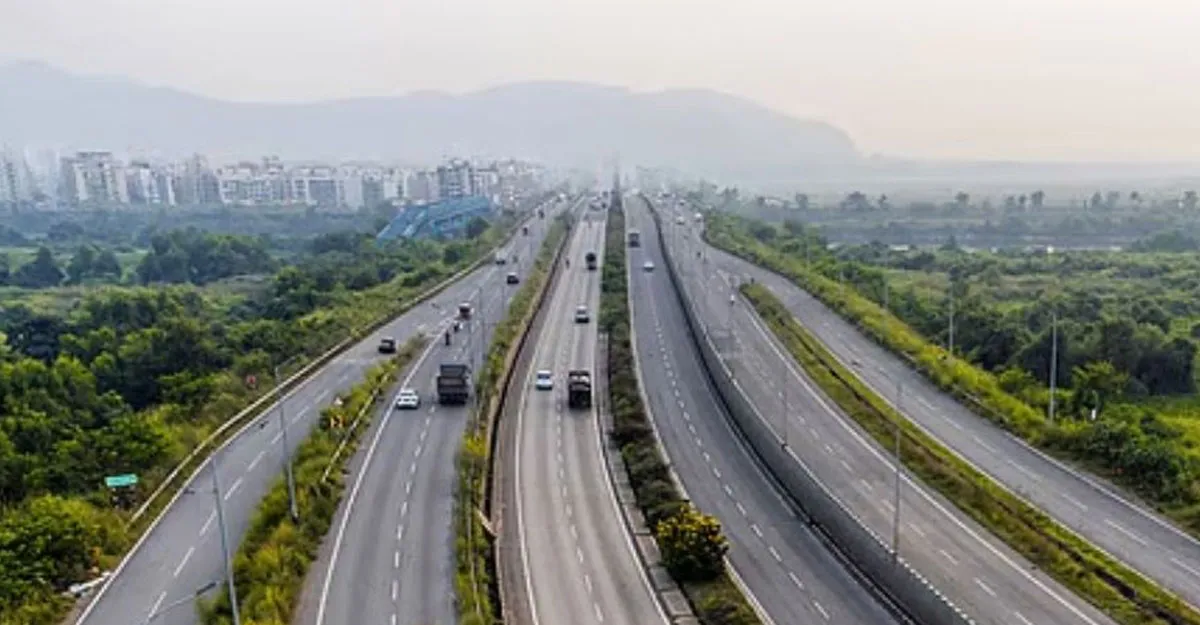
The combined estimated project cost exceeds Rs 17 trillion, offering a clear medium-term roadmap for infrastructure investment. By bringing projects together in a single pipeline, the government aims to provide early visibility to investors, developers and other stakeholders, enabling more informed planning and investment decisions.
Data from the PPP India platform shows that the Ministry of Road Transport and Highways leads the pipeline with 108 projects valued at around Rs 8.77 trillion. The Ministry of Power follows with 46 projects worth about Rs 3.40 trillion.
Other major central contributors include the Ministry of Ports, Shipping and Waterways, which has 22 projects valued at roughly Rs 0.38 trillion, and the Ministry of Railways with 13 projects worth about Rs 0.31 trillion. The Department of Water Resources, River Development and Ganga Rejuvenation has 29 projects in the pipeline, with a combined cost of around Rs 0.12 trillion.
At the state and Union Territory level, Andhra Pradesh accounts for the highest number of projects, with 270 initiatives valued at about Rs 1.16 trillion. Tamil Nadu has 70 projects costing around Rs 0.88 trillion, while Madhya Pradesh has 21 projects worth about Rs 0.65 trillion. Uttar Pradesh features 89 projects with a total value of roughly Rs 0.12 trillion.
Other participating regions include Jammu and Kashmir with 57 projects valued at about Rs 0.21 trillion, and Rajasthan with 12 projects totalling around Rs 0.23 trillion. The government expects the pipeline to improve coordination, enhance investor confidence and accelerate the rollout of critical infrastructure across sectors.