
The projects span energy, transport and logistics, social and commercial infrastructure, as well as water and sanitation. Data released by the ministry shows that the Ministry of Road Transport and Highways accounts for the largest share, with 108 projects valued at more than Rs 8.76 trillion. The Ministry of Power follows with 46 projects worth around Rs 3.40 trillion. Other contributors include the Department of Water Resources, River Development and Ganga Rejuvenation with 29 projects costing about Rs 0.12 trillion, and the Ministry of Ports, Shipping and Waterways with 22 projects valued at roughly Rs 0.38 trillion.
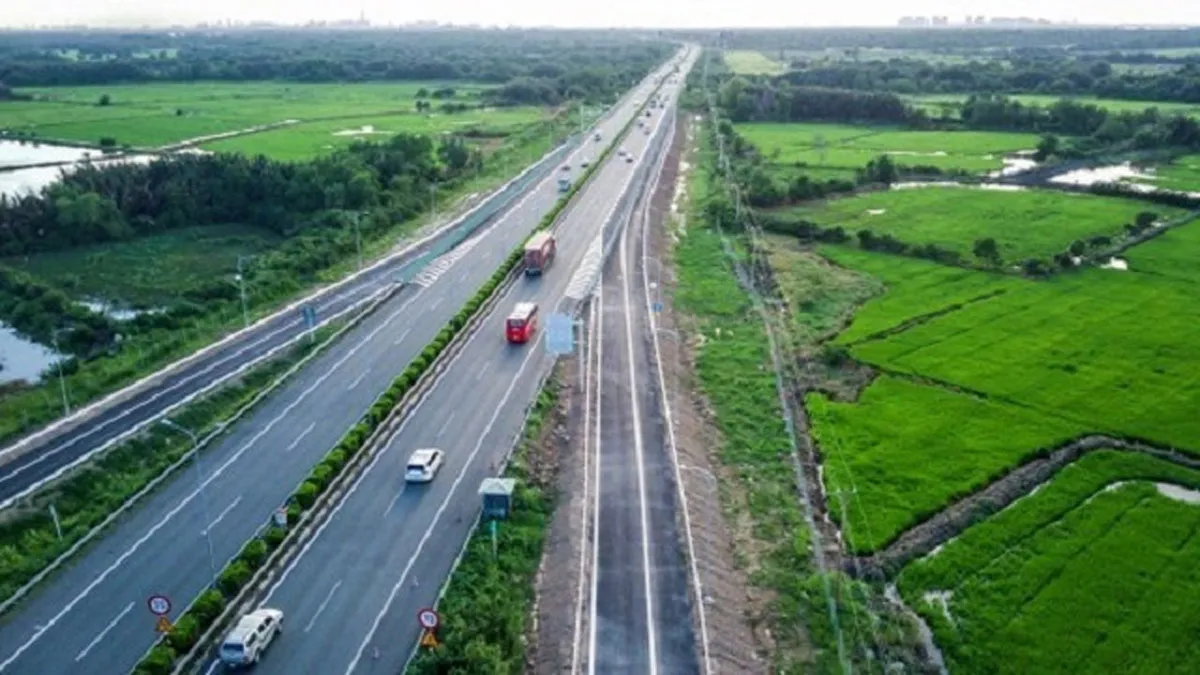
Of the total Rs 17 trillion targeted under the three-year National Infrastructure Pipeline 2.0, central ministries and departments are expected to account for around Rs 13 trillion, while the remaining Rs 4 trillion will come from PPP projects at the state and Union Territory level. A significant portion of private investment is expected through road and highway projects awarded under the build-operate-transfer route, including access-controlled highways planned to form a high-speed expressway network.
The railways, which has historically seen limited PPP participation, is also expected to attract private investment in high-speed networks, freight services and the expansion of semi-high-speed train manufacturing, including Vande Bharat sets. In ports and shipping, PPP initiatives are likely to focus on shipbuilding clusters, ship repair facilities, new greenfield mega ports and the modernisation of existing ports.
NIP 2.0 builds on National Infrastructure Pipeline launched in 2019, which projected an outlay of over Rs 100 trillion through 2024–25. According to ICRA, as of March 2025, NIP 1.0 covered about 13,000 projects with a total cost of Rs 185 trillion, nearly half concentrated in transport. Project completion stood at around 20 per cent by March 2024, with work underway on another 45 per cent.
The government estimates India will need to invest USD 4.51 trillion in infrastructure by 2030 to support its economic ambitions, underscoring the importance of accelerating PPP-led development through the new pipeline.