
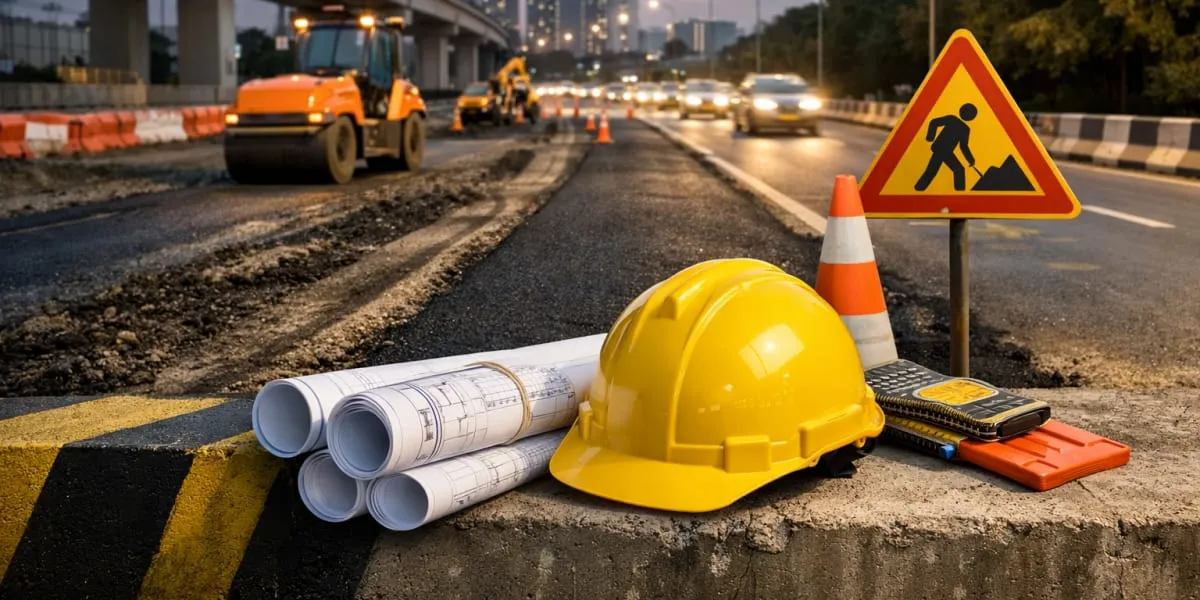
Planned interventions will focus on pavement rehabilitation, junction upgrades, pedestrian facilities and stormwater management to reduce recurrent damage and flooding risks. Works are expected to be conducted in phases to allow traffic movement while sections are upgraded, with staged diversions and signage to manage congestion. Authorities have indicated that design standards will aim to increase durability and reduce maintenance cycles, supporting lower life cycle costs.
The financial allocation represents a concentrated investment in urban infrastructure and is intended to leverage future maintenance programmes and complementary works. Project implementation will require tendering, contractor engagement and coordinated traffic management plans during construction, together with contract supervision and quality checks. Monitoring arrangements are expected to track progress and ensure compliance with technical specifications and safety norms, with periodic reporting to oversight bodies. The scheme is also likely to influence local economic activity by improving commuter reliability and freight movement, thereby supporting daily commerce.
Officials have said that public communication and staged diversions will be integral to minimise disruption for commuters and businesses, with updates provided through official channels. The authorities will publish timelines and priority corridors as the programme moves into procurement and execution phases to inform stakeholders. Urban planners noted that improved road conditions could support broader mobility goals and complement public transport initiatives and active travel measures. Review mechanisms will be used to assess outcomes and guide subsequent investment choices and maintenance planning.