
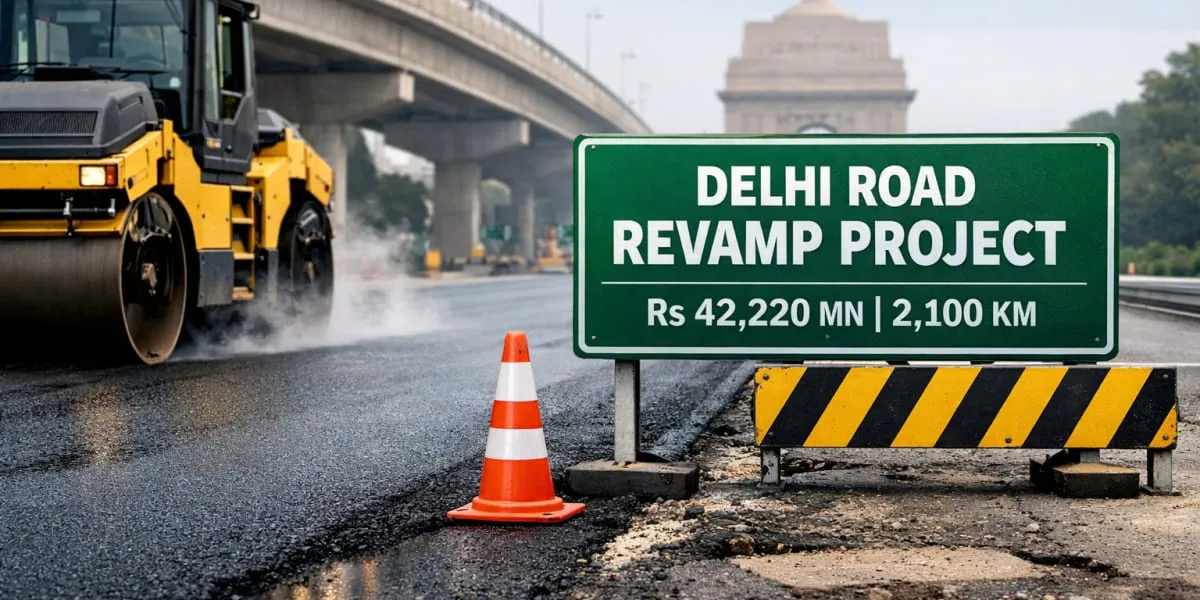
The proposed works are intended to encompass patching, milling, resurfacing and ancillary repairs, and will be implemented in phases across municipal wards and major arterial corridors to reduce the need for repeated interventions. Authorities indicated that the scope will include improvement of drainage to prevent future waterlogging and measures to ensure proper compaction and material specification during resurfacing activities. Traffic management and communication with residents and commuters are expected to form part of operational planning to limit disruption during execution.
The administration plans to invite competitive tenders and select contractors through established procurement procedures that assess technical competence and financial capacity, and officials stressed that adherence to contract timelines will be monitored. Quality assurance will involve sample testing of materials, routine site inspections and third party verification where required to ensure durability and compliance with specifications. The government said that maintenance regimes will be adjusted to preserve surfacing and protect the investment over time.
Funding disbursement is to follow project milestones and payments will be linked to verified completion of defined stages, officials added, with allocations directed towards both surface works and necessary supporting maintenance activities. If carried out as proposed, the programme is expected to improve traffic flow, reduce vehicle operating costs and enhance safety across the capital by addressing longstanding pavement deficiencies. Authorities noted that a phased approach will allow lessons from early sections to inform subsequent stretches and tighten quality controls.