
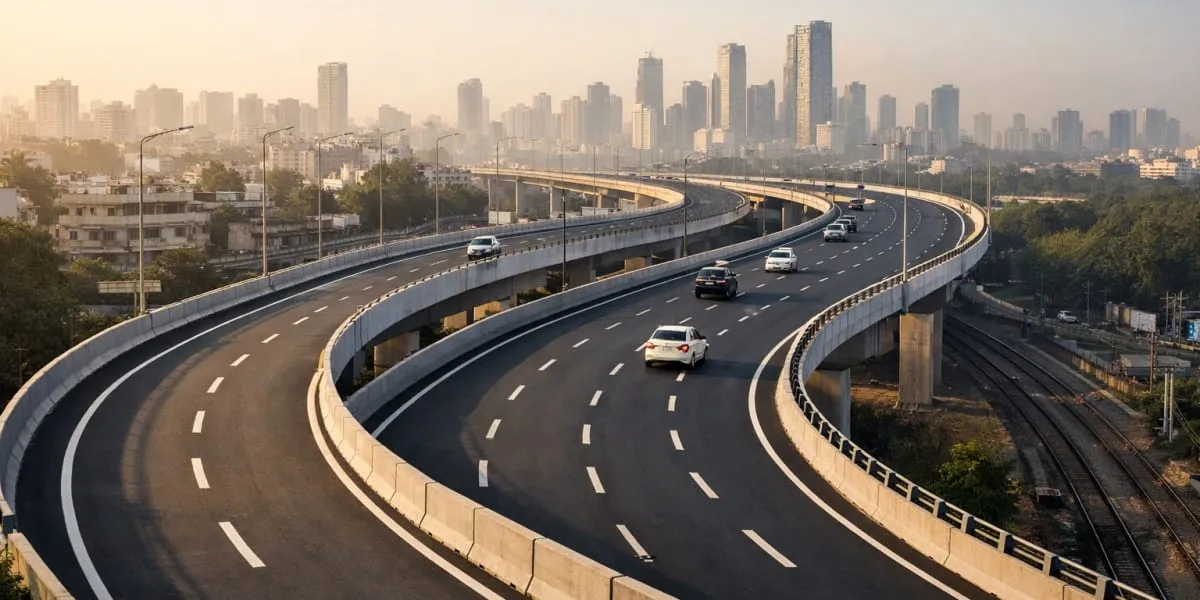
The elevated link incorporates multiple ramps and grade separations to allow uninterrupted movement and includes provisions for pedestrians and cyclists while also accommodating emergency vehicle access. Engineers implemented modern structural techniques and materials intended to extend service life and reduce maintenance intervals, officials said. Lighting, drainage and signage have been designed to Indian standards and to improve safety during peak periods and in monsoon conditions.
The project progressed through phased construction to limit disruption and local traffic management measures were employed during key works. Funding was provided through state and municipal allocations and the development formed part of longer term plans to attract investment and support urban renewal in adjoining neighbourhoods. Officials outlined that the flyover will be subject to regular inspection and that complementary measures such as bus priority lanes and improved last mile connections will be pursued.
Planners expect the new connection to ease freight movement across the metropolis and to provide more reliable routes for public transport, thereby contributing to economic activity and daily convenience for residents. Environmental and traffic modelling was used to assess expected impacts and authorities said monitoring will continue to ensure intended benefits are realised. Civic groups welcomed the emphasis on multimodal access and urged continued consultation on maintenance, enforcement and parking management in areas affected by altered traffic patterns.