
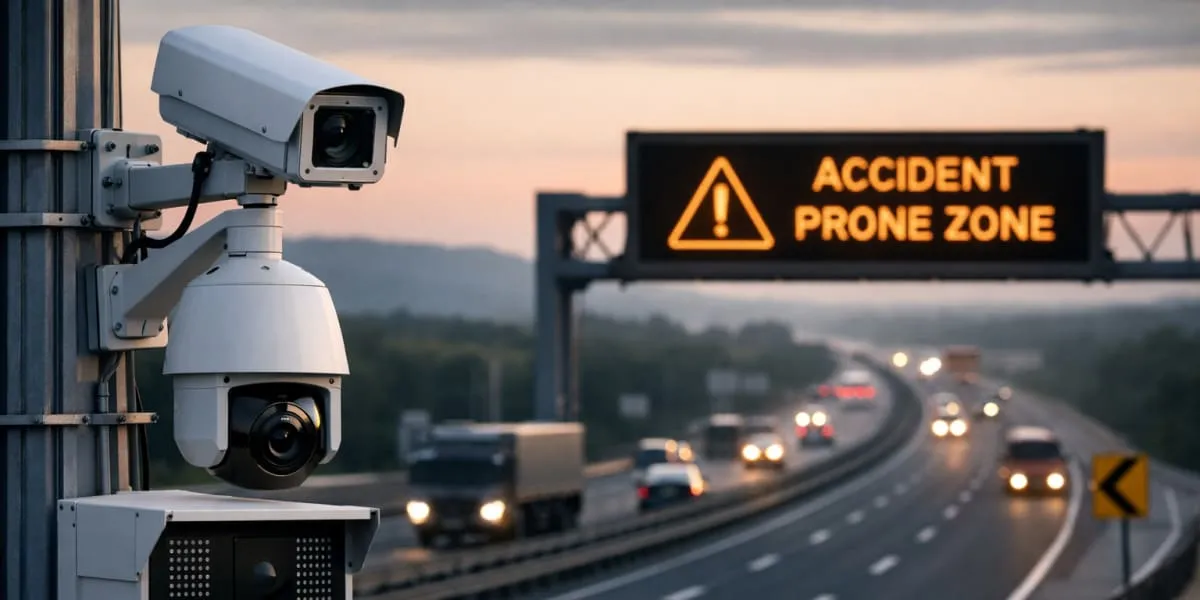
The NHAI has divided road stretches into three categories for the exercise: those where road works are ongoing, those where works were completed between one and two years ago, and those where the roads were completed between five and 10 years ago. Prioritisation will be based on the Passenger Car Unit (PCU), the number of accidents recorded in the last couple of years and local activity levels. Officials indicated that there is no shortage of funds for the camera installations.
Authorities are also increasing the number of patrol vehicles, particularly for night coverage, to complement the surveillance network. While officials stated that there are no designated black spots, they warned that certain stretches remain vulnerable such as sharp turnings, locations where people cross and openings on access-controlled roads. The NHAI said it is working towards making all highway roads access-controlled to reduce accident causes.
The authority noted that the revised speed limit on access-controlled stretches from 80 km/h to 100 km/h makes additional cameras necessary for better enforcement and monitoring. Officials said that in many cases driver recklessness rather than road quality is a factor and that a speed limit of 100 km/h should not be treated as a target with speeds ideally not exceeding 80 km/h. The agency said it remained open to suggestions from stakeholders as it implements the surveillance and safety measures.