
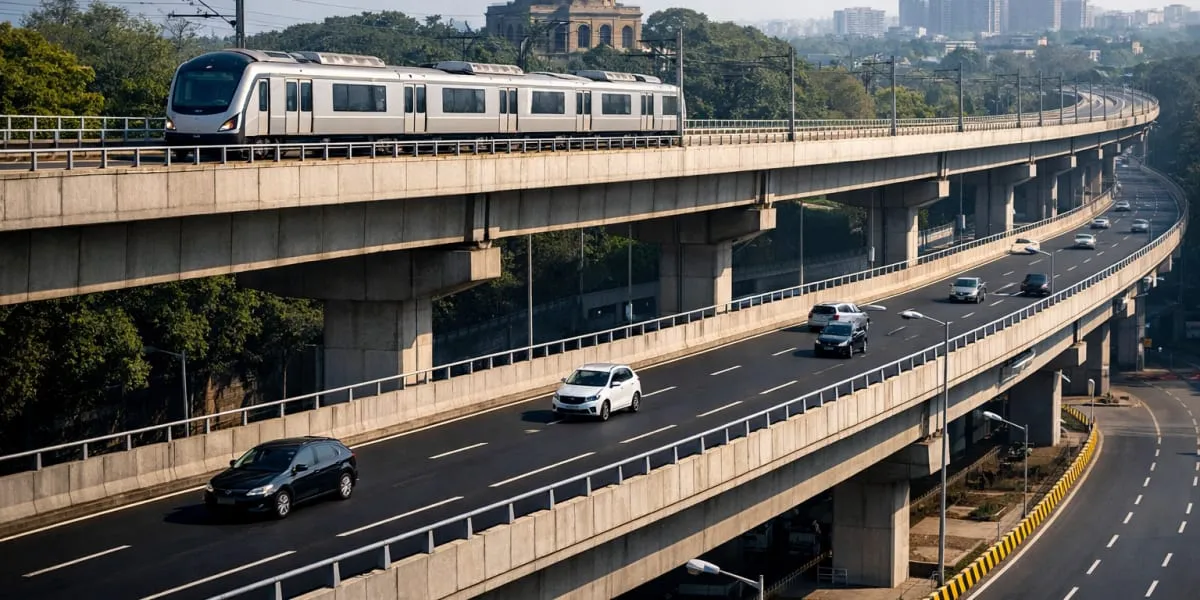
Fadnavis acknowledged disputes and difficulties during demolition of the old bridge and said completion was achieved after stakeholders were taken into confidence, while crediting the late Ajit Pawar with initiating the process. He outlined Pune's shift from an information technology hub to a major centre for Global Capability Centres (GCC) and noted the city developed the highest GCC space in India in the past year. With road space limited, the government is prioritising modernising transport through flyovers, grade separators, tunnels and Metro expansion, with work proceeding on three levels: underground, on the surface and elevated.
Deputy Chief Minister Sunetra Ajit Pawar described the design as an integrated solution with the upper level carrying the Metro line and the lower level serving vehicular traffic. She outlined separate ramps from Aundh and Baner towards Shivajinagar, a dedicated flyover from Shivajinagar to Baner and Pashan, links to Senapati Bapat Road and underpasses to improve movement. The state budget showed a 21 per cent increase in infrastructure spending and included approvals for the Ramwadi–Wagholi Metro and the Yerwada–Katraj tunnel, alongside plans to develop Pune as a Growth Hub similar to Mumbai.
PMRDA Commissioner Dr Yogesh Mhase said the PMRDA-led project will reduce congestion in West Pune and that the bridge will act as a crucial link between Metro and road transport, easing commutes. State Minister Madhuri Misal noted that the Central Government has allocated Rs 800 billion for Pune's integrated development, with funding to support the measures. MLA Siddharth Shirole said the bridge will ease travel for commuters and the inauguration concluded with local representatives and citizens.