
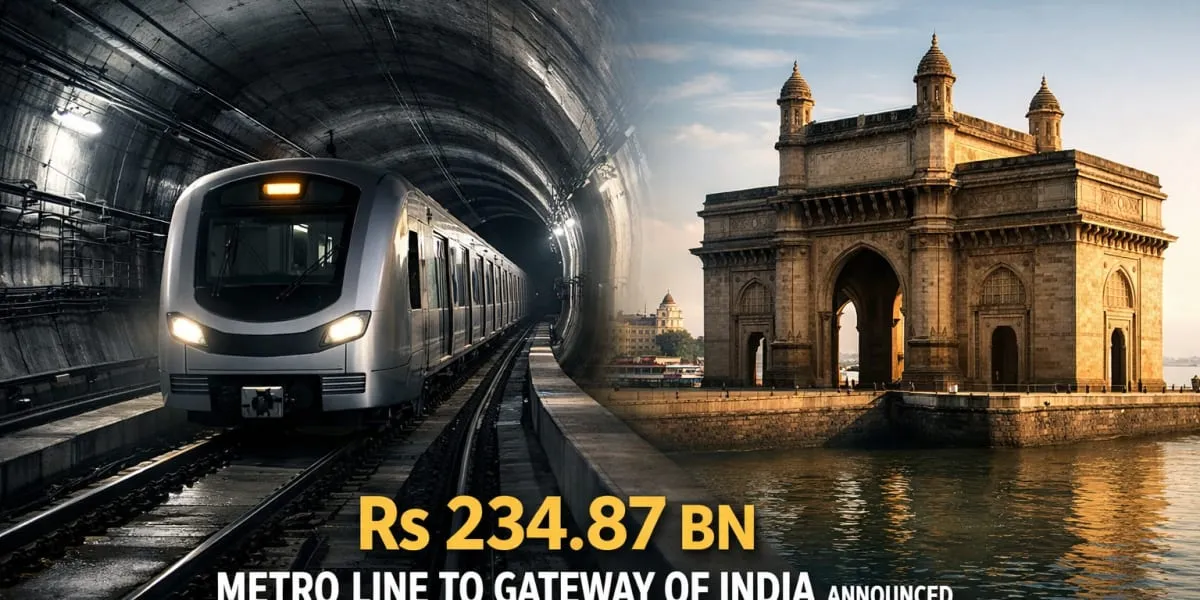
The plan encompasses both elevated and subterranean elements, with the tunnel network presented as a key engineering component to navigate dense urban areas and preserve surface access. Officials indicated that integration with existing metro corridors and local rail services would be a priority to ensure seamless transfers and to distribute passenger loads. The proposal was said to consider multimodal connections for last mile access and to aim at reducing road congestion in central Mumbai. Environmental and heritage considerations were noted as factors in design choices.
The fiscal outlay for the project was emphasised as significant, reflecting the scale of engineering work and urban interventions required. Authorities suggested that the investment would stimulate construction activity and related service sectors, while also necessitating detailed financial planning and possible phased funding. Commentators within the civic administration were reported to expect close coordination between municipal, state and central agencies to secure land clearances and align technical standards. Procurement and contract awards were described as subject to statutory procedures.
Officials indicated that next steps would include detailed project reports, environmental impact assessments and stakeholder consultations before formal approvals are granted. They suggested that timelines would be announced following finalisation of technical studies and budgetary clearances, and that commuters and tourism stakeholders in the Gateway of India precinct could anticipate long term benefits from improved access. The announcement was presented as part of a broader push to modernise Mumbai's transport network.