
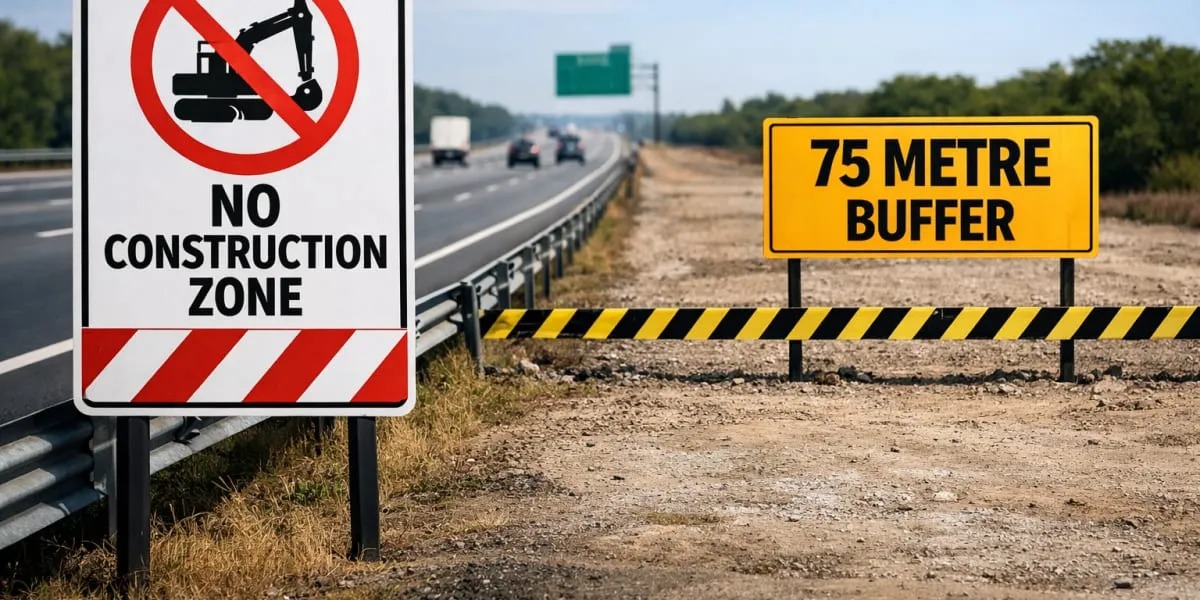
The state public works department and local planning authorities have been directed to implement the measures and to update zoning maps to reflect the buffer zones, with municipal bodies required to coordinate approvals and building permits accordingly. Developers seeking permissions within transitional areas will be subject to revised scrutiny and must submit modified plans that demonstrate compliance, while landowners will be given information on permit requirements and timelines for regularisation where applicable. The administration has emphasised that routine maintenance of roadside infrastructure must proceed without creating new obstructions.
Enforcement mechanisms will include audits of existing structures, stricter clearance for new projects and administrative penalties for unauthorised construction, with district authorities tasked to carry out inspections and report non-compliance. Provisions for limited exemptions and hardship cases will be considered on merit and subject to clear conditions, and authorities will publish guidance on acceptable works within the buffer to avoid ambiguity. The guidelines are expected to include measures for signage, drainage protection and preservation of roadside vegetation.
Officials anticipate that the restrictions will support safer travel, provide space for future highway upgrades and reduce legal disputes over roadside development, while offering clearer rules for investors and residents. The state has planned a phased implementation and a review mechanism to assess impacts and refine procedures, and stakeholders have been encouraged to engage with local offices to understand requirements and transition arrangements.