
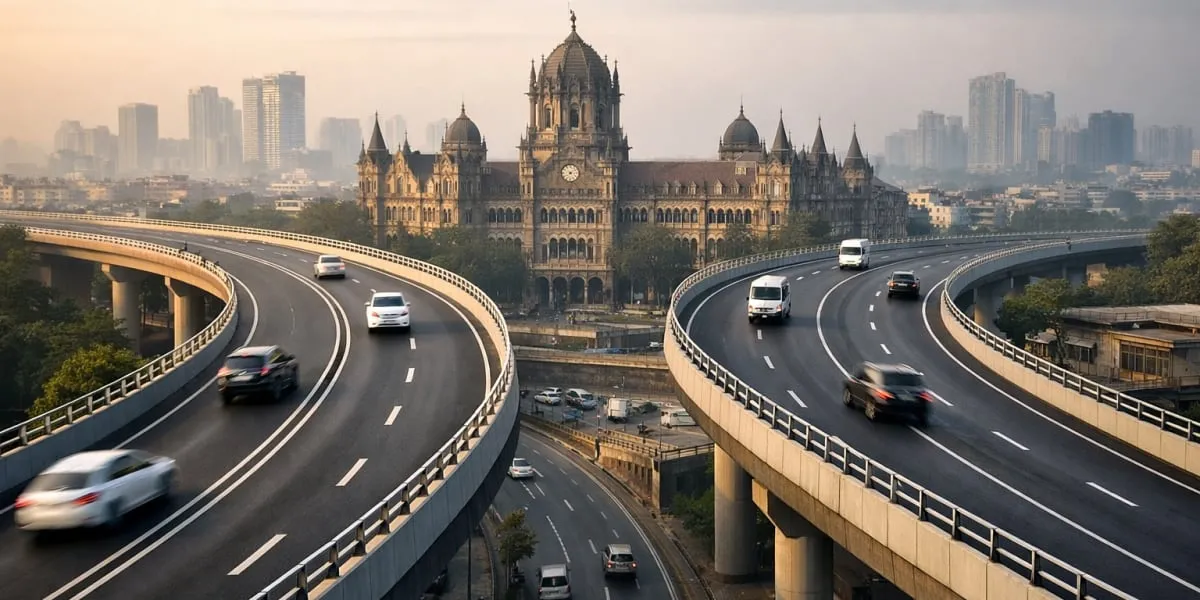
The project will create two elevated corridors that bypass surface junctions and reduce signal delays, improving the flow of passenger and goods traffic. Officials outlined that the interventions are designed to complement existing road and rail networks and to distribute vehicular load more evenly across the central business district. The work is intended to support daily commuters, bus services and logistics movement into the port and station precincts. Environmental and safety standards will be observed throughout the construction phase.
Route details released by the city administration indicate connections at strategic nodes to integrate with feeder roads and pedestrian crossings while maintaining access for local traffic. Construction sequencing will aim to limit disruption, with phased closures and traffic management plans during peak operations. Urban planners said measures will be taken to protect surrounding residential and heritage areas during the build.
The authority advised that commuters can expect smoother journeys and reduced congestion once the flyovers are operational, including shorter public transport cycles and quicker last mile transfers. Stakeholders will monitor traffic patterns and adjust signal timing and route management as the new corridors open. Officials indicated that coordination with local transport providers will be essential during the transition. The announcement underlined the city administration's focus on infrastructure interventions that improve mobility and support economic activity in central Mumbai.