
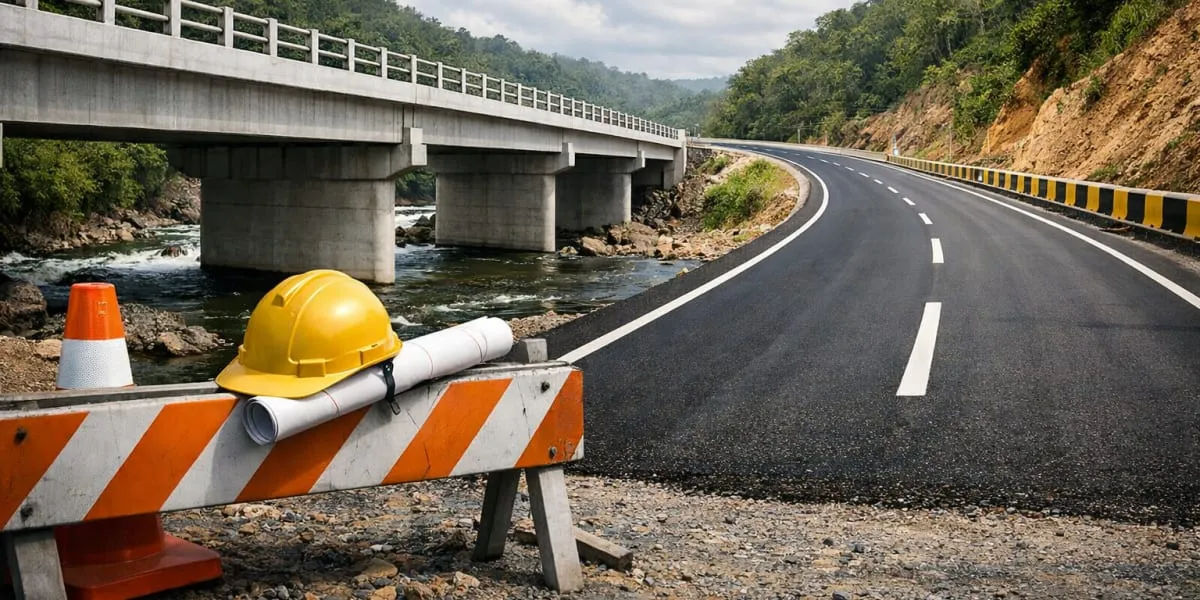
The 90-metre bridge was constructed under the World Bank-funded Meghalaya Integrated Transport Project (MITP) and links West and South Garo Hills, closing a critical infrastructure gap. The project is expected to benefit over 6,000 people across multiple villages in both districts by improving access to markets, health facilities and schools. Officials described the bridge as addressing a long-standing need created by poor connectivity and seasonal transport disruptions. MITP aims to strengthen connectivity through targeted investments across hill districts.
The Chief Minister noted that the state has significantly increased investment in road infrastructure in recent years with a focus on linking underserved areas to economic centres. He underscored collaboration with the Centre and partner agencies in executing major infrastructure projects and delivering outcomes to local communities. The road-widening works at Jijikapara were highlighted as part of a wider effort to improve freight movement and public transport reliability.
Authorities indicated that these interventions form part of an inclusive development strategy to ensure that the benefits of growth reach every corner of Meghalaya. Further schemes and maintenance programmes were said to be planned to sustain gains from the new infrastructure and to enhance connectivity in adjacent districts. Officials advised that continued engagement with village leaders and stakeholders would guide implementation of future projects. Local authorities will monitor the condition of the roads and bridge to ensure durability and safety.