
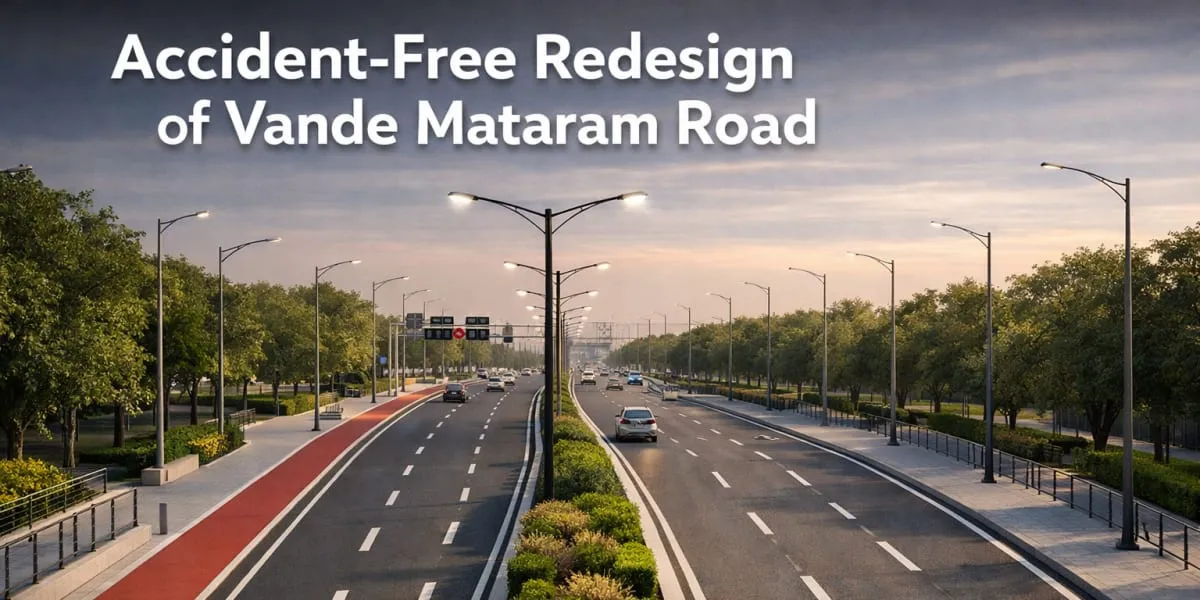
The scheme is expected to incorporate medians, segregated pedestrian walkways, dedicated cycle tracks and improved street lighting to reduce collision points. Service lanes and enhanced drainage were reported as priorities to preserve carriageway capacity and reduce congestion during peak hours. Planners also signalled the inclusion of green belts and landscaping to improve the visual environment and pedestrian comfort. Comprehensive signposting and road markings were indicated to guide motorists and facilitate lane discipline while enhanced public transport stops would be integrated to ease boarding.
Authorities indicated that detailed design work and traffic impact studies would precede construction and that utility realignment would be coordinated to minimise disruption. The JDA will invite bids once final approvals are obtained and the project funding is secured through municipal and state allocations. Stakeholder consultations with resident welfare groups and transport agencies were described as essential to finalise technical specifications. Provision for traffic monitoring and coordination with the city police was mentioned to ensure compliance and swift incident response.
Officials predicted long-term benefits for commuters and noted a potential reduction in accidents and travel time once the corridor is operational. The redesign was presented as part of a broader urban mobility agenda to make arterial roads safer and more efficient. Work schedules and timelines will be shared with the public following statutory clearances. Residents were expected to be kept informed through public notices and digital channels during each phase of execution regularly.