
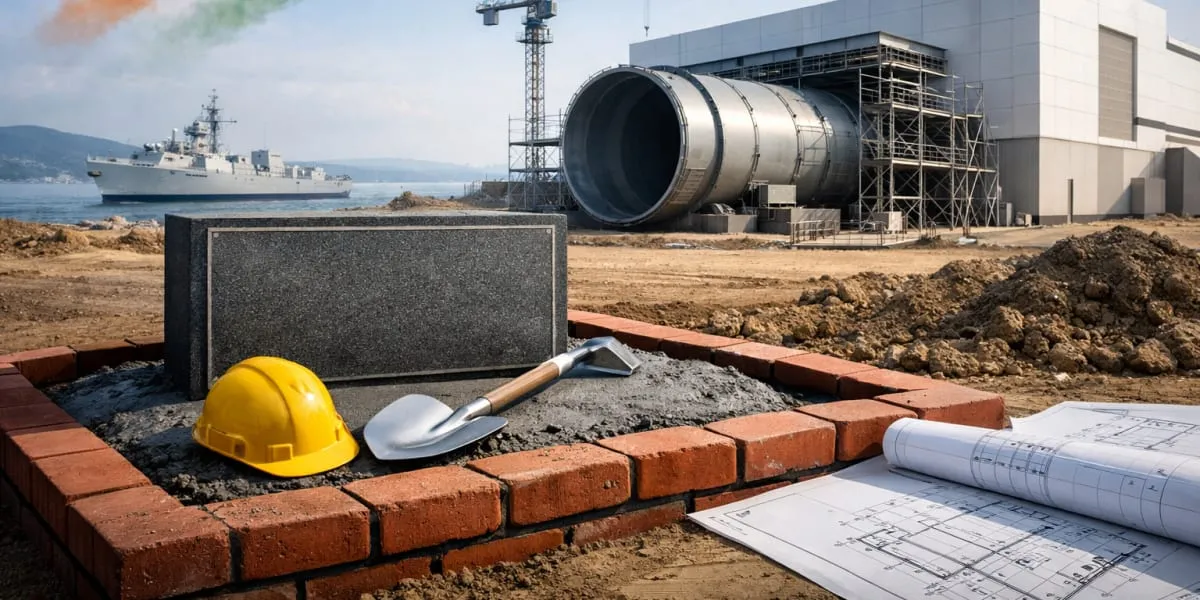
The Naval Science and Technological Laboratory (NSTL), a laboratory of the Defence Research and Development Organisation (DRDO), will host the facility being executed with international technical collaboration. The integrated setup will support both closed-loop simulations for submarine studies and free-surface simulations for surface ships within a single installation. Once operational, the LCT is expected to validate hydrodynamic designs and propulsion systems for major naval platforms including destroyers and aircraft carriers. The project is presented as a strategic national asset to bolster the shipbuilding ecosystem.
During the visit the defence minister received briefings from the secretary of the Department of Defence Research and Development and the DRDO chairman and inspected the Seakeeping and Manoeuvring Basin where advanced underwater systems were demonstrated. The display included torpedoes, naval mines, decoys and Autonomous Underwater Vehicles (AUVs) and a live demonstration of a swarm of man-portable AUVs highlighted progress in autonomous maritime operations. Officials noted ongoing work on lithium-ion battery development as a crucial enabler for future underwater platforms. The minister commended NSTL for research that propels India towards becoming a formidable naval power.
Senior uniformed leaders including the Chief of Defence Staff General Anil Chauhan and the Chief of the Naval Staff Admiral Dinesh K Tripathi attended the ceremony. The minister urged dedication to nation building, strengthening security infrastructure and emphasised that reliable technological support enhances effectiveness and confidence of sailors at sea. The facility is expected to reduce reliance on foreign testing infrastructure and support future advancements in naval engineering and maritime defence systems.