
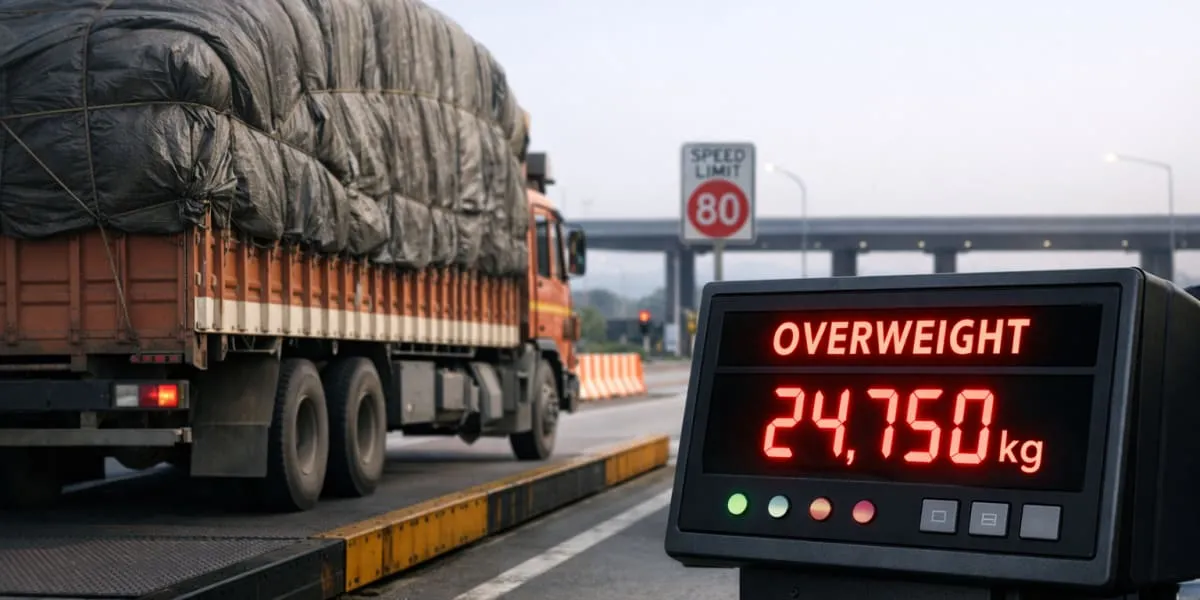
The revised fee structure charges vehicles according to percentage of overloading, with up to 10 per cent excess attracting no overload fee, over 10 per cent and up to 40 per cent attracting a fee at two times base rate, and above 40 per cent attracting a fee at four times the base rate. Overloading determinations will rely on certified weight measurement devices installed at fee plazas and, where weighment facilities are not available, no overload fee shall be levied. All overloading fees must be collected digitally through FASTag and details of overloaded vehicles must be recorded and reported to the National Vehicle Register (VAHAN) to ensure transparency and enforcement.
The amendment states that the provisions will not apply to certain private investment projects executed prior to commencement unless concessionaires consent to adopt the revised rules, preserving contractual terms where applicable. Vehicles entering national highways without a valid FASTag will attract applicable provisions under existing rules and the notification reiterates that FASTag compliance remains mandatory for seamless movement and fee collection. The rules include an illustration to explain calculation of overload fees for different vehicle categories based on permissible weight limits to promote clarity in implementation.
The measure is expected to improve compliance, deter overloading and reduce damage to highway pavement while supporting freight movement and integration with weigh-in-motion (WIM) systems. Implementation will depend on certified devices at plazas, digital payment systems and consistent reporting through VAHAN to enable monitoring and enforcement. The framework aims to balance effective protection of infrastructure with respect for existing contractual arrangements and operations.