
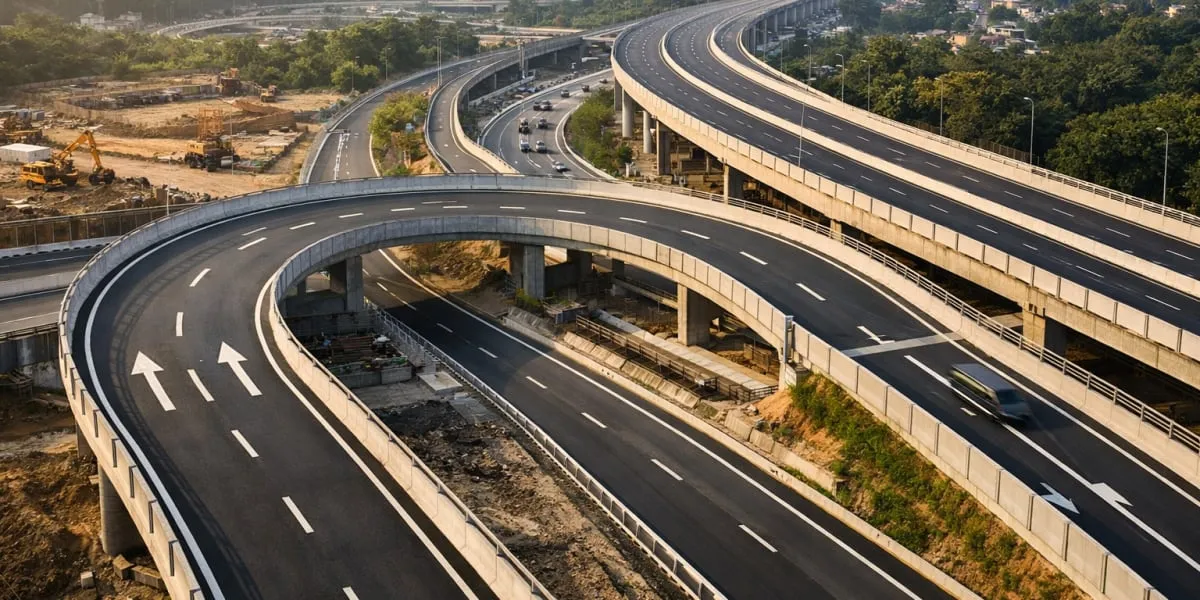
The plan covers pedestrian infrastructure, public transport interfaces and the relocation of utilities to create a safer streetscape. Landscaping and stormwater management features are included to address drainage and urban heat concerns in the area. Designers have planned measures to safeguard existing trees where feasible while balancing engineering requirements. Public transport nodes will be repositioned to improve feeder services and to encourage multimodal interchange.
Construction activity will affect traffic patterns during the initial phases, with phased diversions and temporary works designed to maintain movement. Local commercial establishments are facing short term disruption but will be able to benefit from improved access on completion. Authorities have outlined compensation and support mechanisms for affected stakeholders and a grievance redressal process to resolve land and business concerns. Mitigation measures will include traffic management teams and information campaigns to assist commuters.
Planning authorities have held consultations with municipal bodies, traffic police and utility providers to align technical requirements and minimise delay in approvals. The project team will finalise detailed designs and tender documents before inviting construction bids, following established urban infrastructure procedures. Officials indicated that timelines and budgetary allocations will be shared as the plan advances through statutory clearances and financial approvals. Community meetings and periodic progress bulletins are planned to keep residents informed during implementation.