
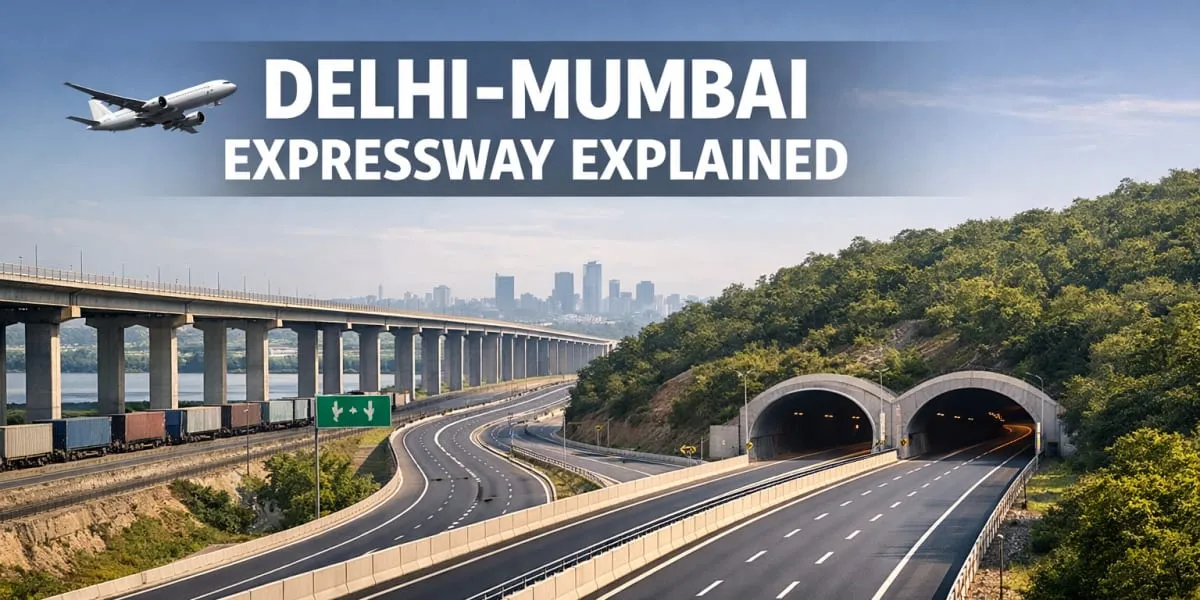
The expressway is six to eight lanes with provision for expansion and intercepts major national highways, airports and industrial nodes. Design standards aim for higher axle loads and service facilities such as logistic parks, toll plazas and emergency response systems. The use of modern construction techniques and materials is intended to enhance durability and reduce lifecycle maintenance.
Planners state the expressway will cut travel time between the two cities substantially and strengthen supply chains by offering reliable transit and lower vehicle operating costs. The corridor is integrated with planned economic zones and industrial clusters to attract investment and decentralise manufacturing and logistic activities. Ancillary development along the route is projected to create jobs and improve regional connectivity.
The project is managed by national highway authorities in partnership with contractors and financing institutions under turnkey and hybrid annuity models. Environmental mitigation includes tree plantation, noise barriers and wildlife crossings where alignment passes sensitive areas. Monitoring frameworks and maintenance regimes are in place to ensure safety and to sustain the expressway as a strategic national asset.
Construction has confronted complex challenges including land acquisition, coordination across state administrations and the need for robust financing arrangements to cover large capital outlays. Contractors have had to manage seasonal weather impacts, riverine crossings and the integration of safety technology such as intelligent transport systems and automated incident detection. Once fully operational, the corridor will serve as a template for balanced infrastructure development combining engineering standards with environmental stewardship and socioeconomic planning.