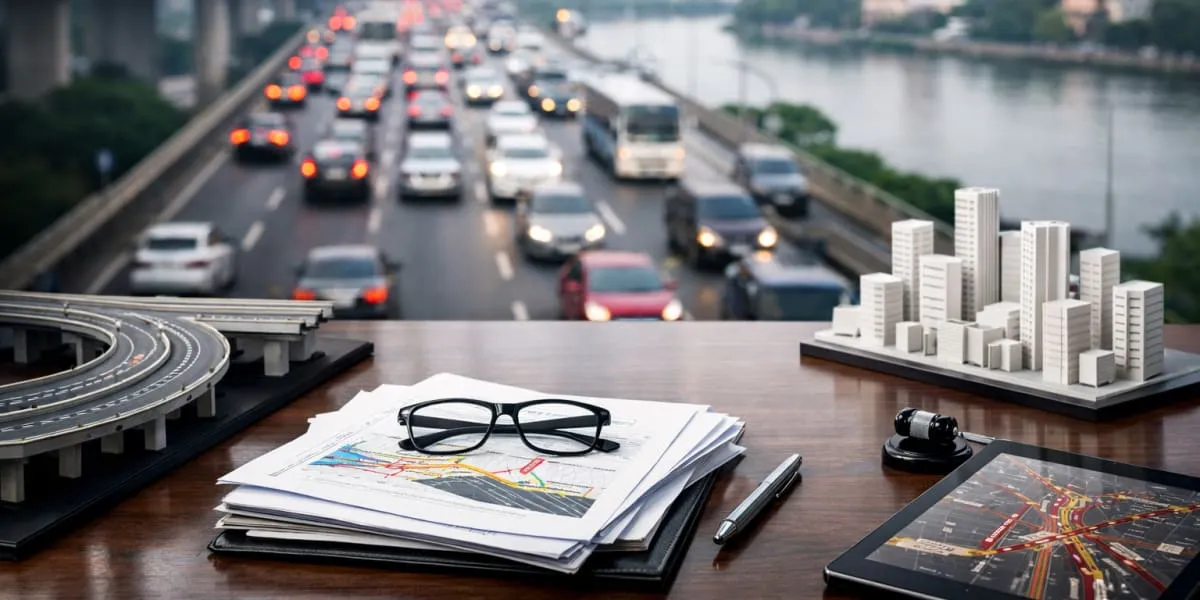
A seven-member committee has been constituted under the chairmanship of the chief secretary, with representation from the state transport department, municipal bodies and traffic police. The committee will submit an initial report within 60 days and a detailed roadmap thereafter. It will examine traffic flows, junction bottlenecks and parking shortages while recommending regulatory measures and engineering solutions.
The panel will prioritise expansion of dedicated bus corridors, improvement of feeder services and enhancement of last-mile connectivity through non-motorised transport routes. It will recommend deployment of intelligent transport systems, adaptive signalling and modernised surveillance to improve traffic discipline. Authorities will be urged to integrate land use planning with transport investments and to expedite works on key arterial roads.
The state government will consider immediate measures such as staggered parking policies and restrictions on heavy vehicle movements during peak hours. The committee will consult civic stakeholders, resident associations and transport operators before finalising recommendations. The proposed measures are intended to reduce travel time, enhance road safety and support sustainable urban growth in the twin city region.
The committee will outline estimated timelines and funding priorities while coordinating with central agencies and private stakeholders for project implementation. It will propose monitoring mechanisms, performance indicators and periodic reviews to ensure timely execution and measurable improvements. Public awareness campaigns and traffic education programmes will be recommended to complement engineering measures and regulatory changes.