
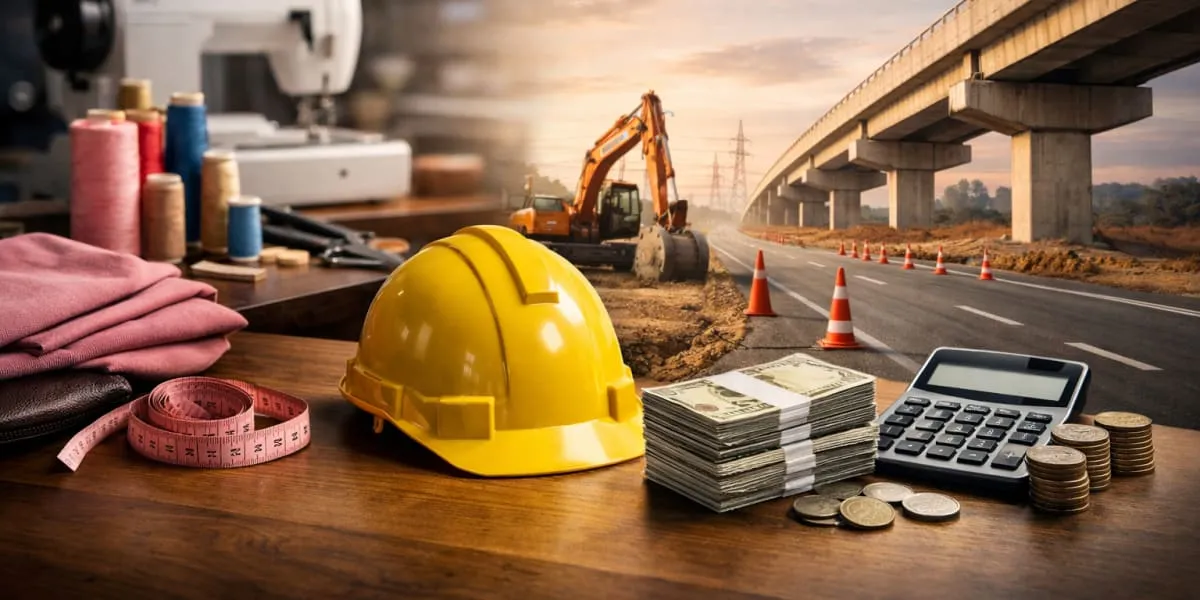
Beneficiaries earn average monthly incomes between Rs 13,000 and Rs 16,000, and more than 80 per cent of participants are women. Field teams work with families in rural communities located near national highways to encourage female participation in skill development and employment programmes. The emphasis is on creating sustainable income rather than one-off work.
Participants receive vocational training in electrical work, plumbing, appliance repair, tailoring, general duty assistant nursing and multi-skill technician programmes. Training is intended to equip learners with practical competencies that meet demand in local labour markets and formal employment opportunities. NHAI has framed the initiative to ensure that national highway projects generate direct employment and economic benefits for nearby communities.
Implementation involves outreach, enrolment and placement support delivered by local teams and partners to ensure continuity from training to work. The project has the stated objective of scaling placements across sectors and enhancing financial independence for women in rural areas. The expanded centres are intended to widen access to stable livelihoods for communities connected to highway development.
Partners support post placement mentoring, access to market linkages and periodic skills refresher sessions to sustain employability and income growth. Monitoring and evaluation are used to track placement outcomes and income progression so that the programme can adapt training content to evolving labour market needs. Stakeholders report the model seeks to create replicable pathways for women to transition from informal to formal work while contributing to household resilience.