
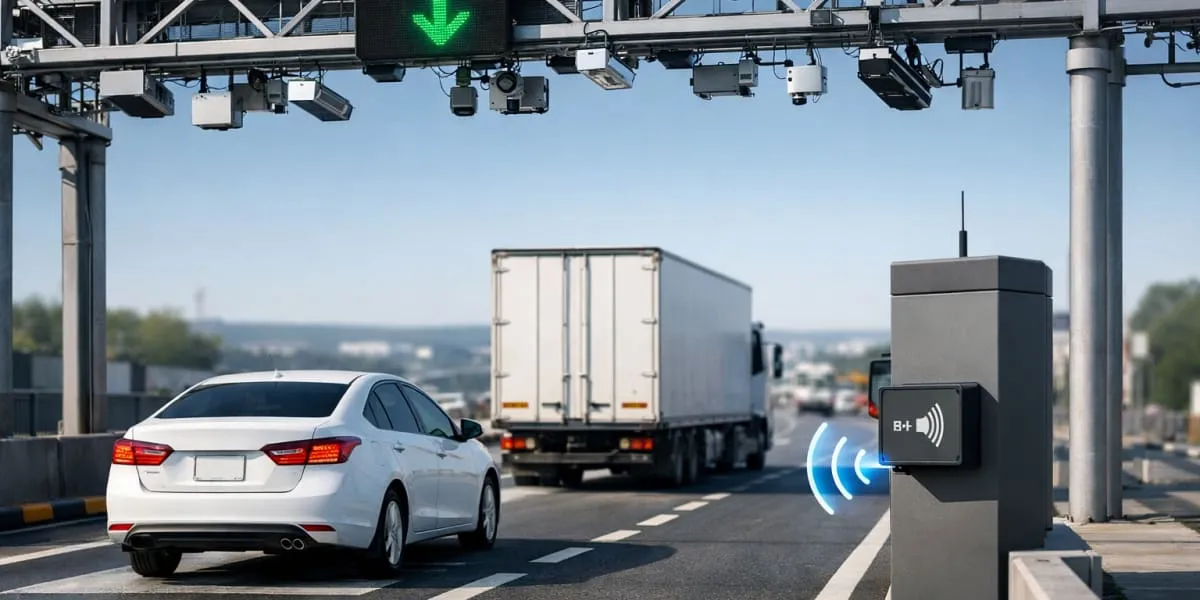
The system integrates Automatic Number Plate Recognition (ANPR) technology with FASTag-based Electronic Toll Collection (ETC) to facilitate automated collection of user fees with reduced need for staff. NHAI has indicated plans to transition the Shahjahanpur and Manoharpur toll plazas on the same corridor to the MLFF model, aiming to make commuting on the busy Delhi to Jaipur route barrier-free. Authorities expect the approach to simplify operations at high volume locations.
Earlier implementations of MLFF were completed at the Chorayasi Toll Plaza on the Surat–Bharuch section of NH-48 in Gujarat and at the Mundka Bakkarwala Toll Plaza on the Urban Extension Road?II in Delhi. By enabling zero waiting time and uninterrupted vehicular movement, MLFF is intended to save time, improve fuel efficiency and reduce vehicular emissions at toll sites. The technology is presented as a major advancement in the development of digital national highway infrastructure.
Users are required to maintain sufficient balance in their FASTag accounts to ensure a seamless MLFF experience and are subject to an Electronic Notice for cases of insufficient balance, invalid or non-functional FASTag. The notice requires payment of the normal user fee within 72 hours and specifies that non-compliance after that period results in the fee being charged at twice the normal vehicle category rate. E-Notices are accessible and payable through the designated portal at https://nhfeenotice.parivahan.gov.in/#/ and grievances may be raised within 72 hours of issuance.
The implementation is expected to strengthen the tolling ecosystem by enhancing transparency and reducing operational costs at toll plazas. The initiative aligns with the Government of India vision to deliver citizen-centric services and improve ease of living.