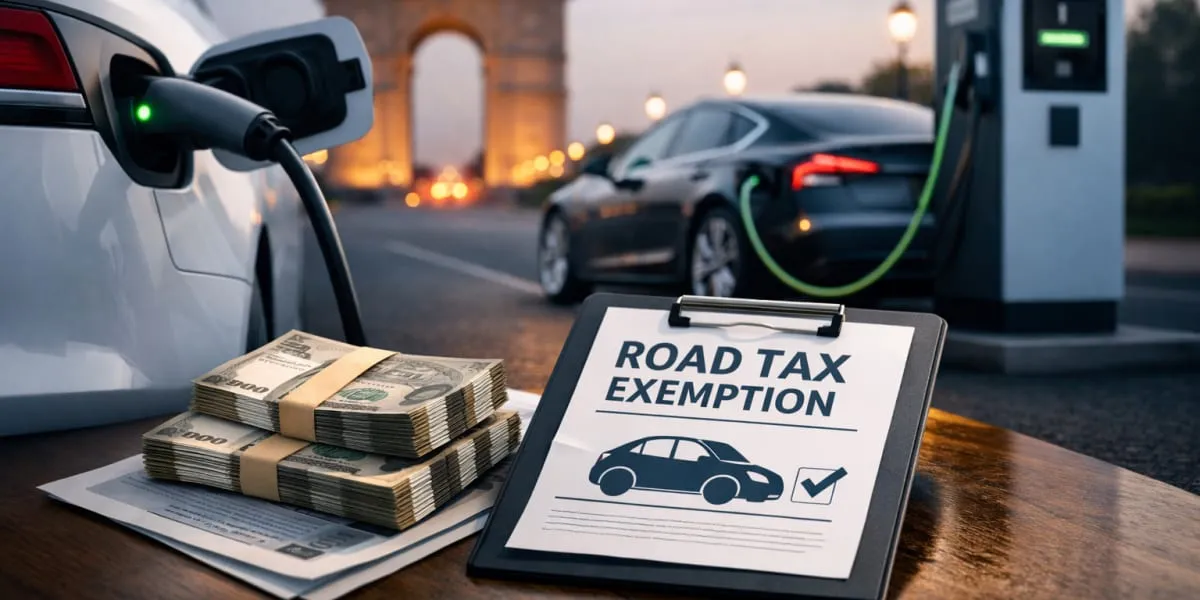
Buyers of electric two-wheelers will receive a purchase subsidy of Rs 30,000 in the first year, Rs 20,000 in the second and Rs 10,000 in the third. Electric three-wheelers will get incentives of Rs 50,000, Rs 40,000 and Rs 30,000 across the three years. Owners of N1 electric trucks, defined as goods carriers with a gross vehicle weight not exceeding three point five tonnes (t), may be eligible for up to Rs 0.1 million (mn) and those who scrap BS-IV or older four-wheelers and shift to electric models will receive Rs 0.1 million (mn) as a scrapping incentive. Officials said hybrids will not receive subsidies.
Registration rules include timelines for phasing in electric vehicles. Only electric auto-rickshaws will be registered in Delhi from January one, 2027, and new petrol and CNG two-wheelers will be phased out so that only electric two-wheelers may be registered from April one, 2028. The policy envisages expansion of charging infrastructure and vehicle scrapping facilities to support the transition. Officials framed the approach as part of a wider push to tackle vehicular pollution.
The chief minister indicated that around Rs 150 billion (bn) will be invested under the policy over the next four years to promote electric mobility and reduce pollution, and that the policy will take effect from July one. She characterised the move as a major step towards making Delhi a pollution-free city by March thirty one, 2030. Implementation will be monitored through expansion of charging points and establishment of scrapping centres across the city.