
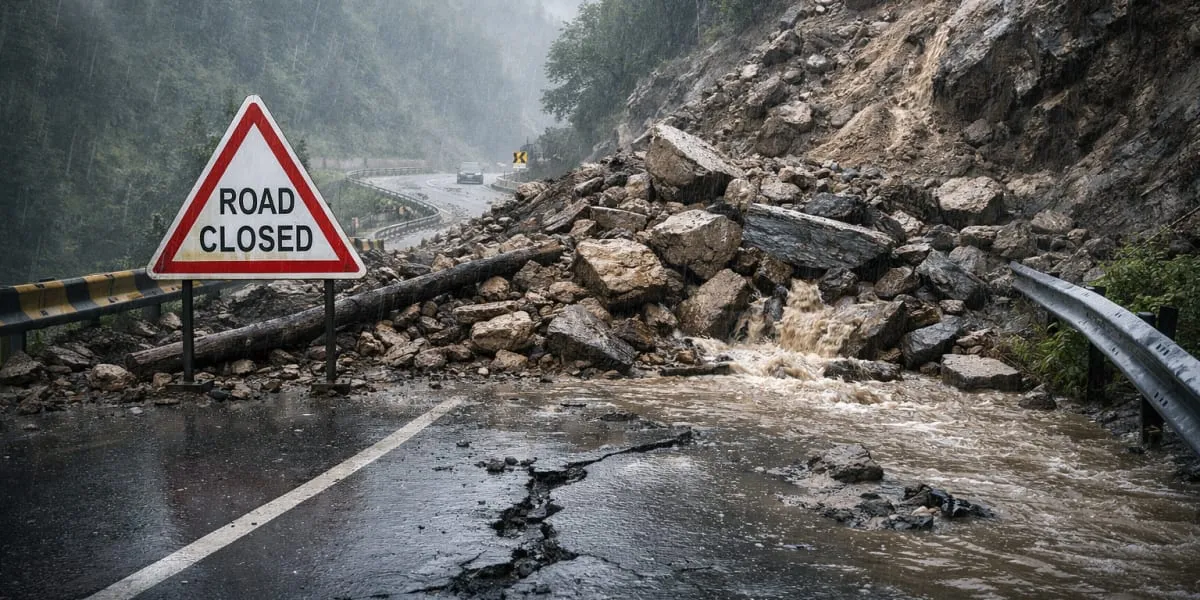
State disaster management teams and public works crews were deployed to clear debris and restore connectivity, prioritising areas with the greatest damage. Local administrations established control rooms to co-ordinate relief efforts and to assist stranded travellers, while power and communication restoration teams worked in tandem. Emergency shelters were readied where needed and the movement of non-essential vehicles was restricted on vulnerable stretches.
Authorities advised residents and tourists to avoid travelling on affected routes until conditions improve and to follow official advisories. Rail and road traffic schedules were subject to change and commuters were urged to check updates before undertaking journeys. The MeT urged caution as heavy to very heavy rainfall was expected in several districts during the forecast period.
Officials said restoration work would be prioritised to reopen arterial links and to restore essential services, with assessments continuing to determine repair timelines. Contingency plans remained in place to respond to possible increases in water flows and fresh slides, while agencies monitored river gauges and slopes. Residents were instructed to remain alert and to report fresh incidents to local control rooms as authorities worked to normalise conditions.
Local administrations emphasised the need for patience as restoration progressed and asked businesses to ensure supply lines for essential goods and food and fuel remained uninterrupted. Health authorities were prepared to address any outbreaks linked to waterborne illnesses and to provide prompt medical assistance where required. The MeT advised continued monitoring of forecasts as the situation evolved.