
The government had earlier planned parallel roads on both sides of the corridor to ease pressure, but delays in administrative clearances, eviction processes and incomplete construction have left those routes non?functional. With the parallel arteries unavailable, virtually all traffic continues to depend on the main carriageway and congestion has intensified during morning and evening peaks. Commuters have described the situation as untenable for daily travel and businesses have flagged productivity losses. Local transport operators have adjusted schedules in response.
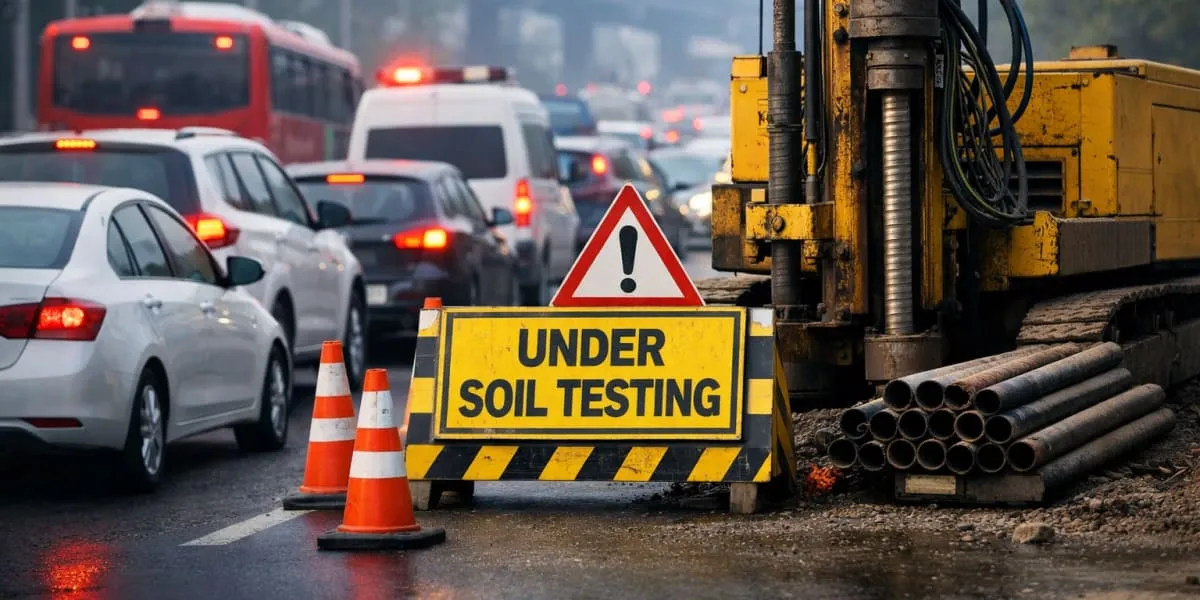
The situation worsened after the commencement of soil testing for the proposed Rs 5.79 billion (Rs 5.79 bn) elevated corridor and eight?lane road project, which has required barricading at key junctions. Works at Jayadev Vihar, Kalinga Hospital, Damana and KIIT Square have further restricted traffic flow and narrowed available lanes at pinch points. Contractors conducting the site surveys have placed safety barriers and equipment close to the carriageway, reducing peak?hour capacity. Roadspace constraints have increased journey times and complicated emergency vehicle movements.
Local residents and daily commuters have urged the government to make the parallel roads operational on a war footing before proceeding further with the elevated corridor scheme, arguing that diversion of traffic would immediately relieve the main road. They have called for interim traffic management measures, clearer signage and regulated works to prioritise free flow during peak periods. City planners and civic agencies have been asked to coordinate to minimise disruption while ensuring that preparatory works progress. The balance between infrastructure delivery and day?to?day mobility remains a critical challenge for Bhubaneswar authorities.